Choosing the right light bulb can reduce household electricity use without making rooms feel dark or uncomfortable. This guide, “Top 10 Light Bulb Types to Save Electricity,” examines practical options for kitchens, bedrooms, offices, and outdoor fixtures.
The central question is simple: How to save electricity with the right light bulbs? The answer depends on more than wattage. Lumens show brightness, while color temperature affects comfort and visibility. A 9-watt LED can replace a 60-watt incandescent bulb, often using about 75% less electricity. It may also last many years under normal use.
Noah Horowitz, an energy-efficiency expert at the Natural Resources Defense Council, has stated, “LED bulbs use at least 75% less energy and last 25 times longer than incandescent bulbs.” That comparison gives consumers a useful starting point. However, real savings depend on operating hours, electricity prices, dimmer compatibility, and purchasing quality.
Small details matter. A hallway lamp used every evening benefits from an efficient LED. A rarely used storage-room fixture may produce smaller savings. Some bulbs advertise impressive lifespans, but heat, frequent switching, or poor ventilation can shorten performance. Marketing claims are not always the whole story.
This overview compares LED, CFL, halogen, smart, dimmable, and specialty bulbs. It considers energy use, brightness, lifespan, color quality, and installation needs. The best choice is not always the cheapest package. Sometimes, replacing one frequently used bulb delivers more value than changing every fixture at once.
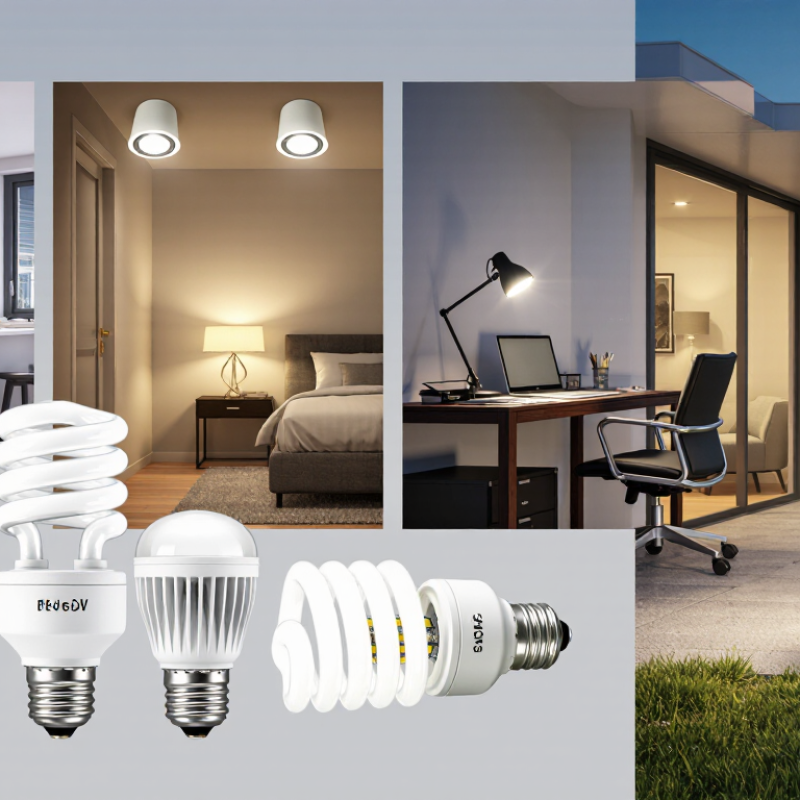
Understanding How Light Bulbs Reduce Electricity Use
Top 10 Light Bulb Types to Save Electricity
Understanding How Light Bulbs Reduce Electricity Use
Light bulbs reduce electricity use in two practical ways: they consume fewer watts and waste less energy as heat. Lumens show brightness, while watts show electricity consumption. A 10-watt LED can often produce similar light to a 60-watt incandescent bulb. The difference appears on the monthly bill. LED bulbs usually convert more electricity into visible light, so less energy disappears as heat. They also last longer, which reduces replacement waste and maintenance costs.
The most useful choices include standard LED, dimmable LED, smart LED, LED tubes, compact fluorescent, fluorescent tubes, halogen, low-voltage LED, solar-powered outdoor bulbs, and motion-sensor bulbs. Not every type saves energy equally. Incandescent and halogen bulbs generally use more electricity because they heat a filament. Compact fluorescent bulbs can use less power, but they require careful recycling because they contain a small amount of mercury. Outdoor solar bulbs may reduce grid electricity, though their performance depends on sunlight and weather.
A practical check starts with lumens, not bulb shape. Choose the lowest wattage that provides enough brightness for the task. Dimmers, timers, and motion sensors can prevent empty rooms from staying lit. Yet controls may waste energy if installed incorrectly or used constantly. The wattage label fooled me once; comparing brightness alone was not enough. Color temperature also affects comfort, and an efficient bulb is not useful if people keep replacing it because the light feels harsh. Small habits matter, but the wiring, fixture, and daily routine deserve attention too.
Top 10 Light Bulb Types to Save Electricity
Understanding How Light Bulbs Reduce Electricity Use
How to read this chart: The figures estimate annual electricity use for a lamp producing approximately 800 lumens, operated for 3 hours per day. Lower values indicate lower electricity consumption.
LED, OLED, and high-efficiency discharge lighting generally use less electricity than incandescent and halogen lamps. Actual performance can vary with lamp quality, operating conditions, light output, and fixture design.
Ten Energy-Saving Light Bulb Types and Their Key Features
Top 10 Light Bulb Types to Save Electricity
Ten Energy-Saving Light Bulb Types and Their Key Features
Choosing the right bulb starts with lumens, not watts. Standard LED bulbs use little electricity and suit bedrooms, hallways, and kitchens. Dimmable LEDs reduce brightness when full light feels unnecessary. Check whether the dimmer supports the bulb. Smart LED bulbs add scheduling, remote control, and occupancy routines. They can reduce wasted evening lighting, although their controls may use small amounts of standby power. LED filament bulbs provide a warm, visible design. They work well in open fixtures where appearance matters.
Compact fluorescent lamps use less energy than traditional incandescent bulbs. However, they warm up slowly and require careful recycling because they contain mercury. LED tube lights fit many offices, garages, and workshops. Confirm the socket and ballast before installation. Corn LED bulbs spread light across multiple surfaces. They are useful in high-output fixtures. PAR LED bulbs focus light for track lighting, displays, and outdoor areas. Their beam angle matters.
High-bay LED bulbs suit tall ceilings and warehouses. They deliver strong light without frequent replacement.
Motion-sensor LED bulbs activate only when movement occurs. They fit stairways, storage rooms, and utility areas.
Solar LED bulbs store daytime energy for outdoor paths and gardens. Their performance depends on sunlight and battery condition.
I still compare actual brightness and color temperature before buying. A cheap bulb can create glare, flicker, or poor color accuracy.
My choices are not always perfect. Fixture heat, wiring, and local disposal rules deserve a final check.
Comparing Efficiency, Lifespan, Brightness, and Cost
Top 10 Light Bulb Types to Save Electricity
Choosing an efficient bulb starts with lumens, not watts. Incandescent and halogen bulbs usually cost little, but waste much energy as heat. Compact fluorescent lamps use less electricity and can last several years, although they may start slowly in cold rooms. Standard LED bulbs generally provide the best balance of efficiency, lifespan, brightness, and purchase cost. Dimmable LEDs add flexibility, while smart LEDs offer scheduling but usually cost more. Filament LEDs give a warm appearance with moderate efficiency. Directional LEDs work well in kitchens and reading lamps. High-CRI LEDs reveal colors more accurately, but their price can be higher. Tube LEDs can reduce energy use in suitable overhead fixtures. Some results vary.
Brightness is measured in lumens. A 800-lumen LED may use about 8–10 watts, while an incandescent bulb may need roughly 60 watts. LED lifespans often reach 15,000–25,000 hours, compared with about 1,000 hours for incandescent bulbs. However, heat, poor ventilation, and frequent switching can shorten LED life. Calculate total cost, not only shelf price. A cheaper bulb may require repeated replacements and more electricity. I once overlooked fixture compatibility, and the light flickered. That was avoidable.
Tips: Match lumens to the room, and check the bulb’s color temperature. Use warm white near bedrooms and neutral white for work areas. Confirm dimmer compatibility before buying. For rarely used spaces, the cheapest efficient option may be enough. Keep receipts for early failures, and compare energy labels carefully.
Top 10 Light Bulb Types to Save Electricity - Comparing Efficiency, Lifespan, Brightness, and Cost
Typical performance ranges vary by wattage, design, operating temperature, dimming method, and fixture. Annual electricity cost is estimated for approximately 1,000 lumens used 3 hours per day at $0.16 per kWh.
| Rank |
Light Bulb Type |
Typical Efficiency
(lumens per watt) |
Typical Lifespan |
Typical Brightness Range |
Representative Power
for ~1,000 Lumens |
Estimated Annual
Electricity Cost |
Typical Purchase Cost |
Best Practical Uses |
| 1 |
Standard LED Bulb |
80–120 lm/W |
15,000–25,000 hours |
450–2,600 lumens |
8–12 W |
$1.40–$2.10 |
$2–$12 |
General residential and commercial lighting |
| 2 |
LED Filament Bulb |
70–100 lm/W |
15,000–25,000 hours |
400–1,500 lumens |
10–14 W |
$1.75–$2.45 |
$4–$18 |
Decorative fixtures and exposed-bulb fittings |
| 3 |
T8 Linear Fluorescent Tube |
80–105 lm/W |
24,000–36,000 hours |
1,600–3,500 lumens |
10–13 W, excluding some ballast losses |
$1.75–$2.30 |
$4–$15 per tube |
Offices, workshops, schools, and retail spaces |
| 4 |
T5 High-Output Fluorescent Tube |
85–105 lm/W |
20,000–30,000 hours |
2,500–5,000 lumens |
10–14 W |
$1.75–$2.45 |
$8–$25 per tube |
High-output commercial and industrial fixtures |
| 5 |
High-Pressure Sodium Lamp |
80–150 lm/W |
20,000–30,000 hours |
2,000–60,000 lumens |
8–13 W per 1,000 lumens, plus ballast losses |
$1.40–$2.30 |
$15–$80 |
Roadways, parking areas, and outdoor security lighting |
| 6 |
Ceramic Metal Halide Lamp |
75–110 lm/W |
12,000–20,000 hours |
3,000–40,000 lumens |
9–14 W per 1,000 lumens, plus ballast losses |
$1.60–$2.55 |
$20–$100 |
High-bay spaces, sports facilities, and retail displays |
| 7 |
Compact Fluorescent Lamp |
50–70 lm/W |
8,000–15,000 hours |
450–2,400 lumens |
14–20 W |
$2.45–$3.50 |
$3–$10 |
Existing fixtures where LED replacement is unavailable; recycle because it contains mercury |
| 8 |
Halogen Incandescent Bulb |
16–24 lm/W |
2,000–4,000 hours |
300–3,000 lumens |
42–63 W |
$7.40–$11.05 |
$2–$10 |
Focused task lighting and applications requiring excellent color rendering |
| 9 |
Induction Fluorescent Lamp |
60–90 lm/W |
60,000–100,000 hours |
2,000–12,000 lumens |
11–17 W, plus electronic system losses |
$1.95–$3.00 |
$40–$150 |
Hard-to-access industrial and infrastructure fixtures |
| 10 |
Traditional Incandescent Bulb |
12–18 lm/W |
750–2,000 hours |
200–2,600 lumens |
56–83 W |
$9.80–$14.55 |
$1–$5 |
Low-cost decorative lighting and legacy fixtures |
Choosing the Right Bulb for Each Room and Purpose
Choosing a bulb by room is more effective than choosing by wattage alone.
The U.S. Department of Energy reports that LEDs use at least 75% less energy than incandescent bulbs and can last up to 25 times longer.
Lumens measure brightness
watts measure energy use.
That distinction matters.
For kitchens and home offices, choose LED bulbs with 800–1,500 lumens and a 3,000–4,000K color temperature.
High color rendering, preferably CRI 90 or above, helps reveal food colors and printed details.
Bedrooms usually feel calmer with dimmable bulbs near 2,700K.
I once chose brightness by wattage alone. That was a poor shortcut.
Check dimmer compatibility, because flicker can become irritating quickly.
In bathrooms, select high-CRI bulbs rated for damp locations, especially near showers.
Hallways need modest, evenly distributed light, while reading corners benefit from directional reflector or adjustable LED bulbs.
Globe bulbs suit vanities, and candle-shaped bulbs work well in decorative fixtures.
For outdoor entrances, use weather-rated LED or smart bulbs with suitable controls.
The International Energy Agency identifies lighting as a major electricity-use category worldwide, so small choices can accumulate across a home.
Still, “smart” does not always mean efficient; standby energy and unnecessary brightness deserve attention.
Confirm the fixture’s maximum wattage and base size before buying.
These practical checks are less exciting, but they prevent waste.
(Sources: U.S. Department of Energy, “LED Lighting”; International Energy Agency, “Lighting.”)
Safe Installation and Ways to Maximize Energy Savings
Safe installation begins at the wall switch, not the bulb package.
Turn off the circuit breaker before removing any lamp. Confirm the socket is dead with a voltage tester. A switch can fail.
Choose a bulb with the correct base, voltage, and maximum wattage.
Check whether the fixture is enclosed, damp, or dimmable. An ordinary LED may overheat inside a sealed globe. For bathrooms or outdoor fittings, use a bulb rated for moisture. Keep your hands dry, use a stable ladder, and never force a bulb into a mismatched socket. Follow local electrical codes, and ask a licensed electrician about damaged wiring, loose sockets, or repeated breaker trips. These small checks prevent burns, shocks, and avoidable repairs.
Energy savings depend on use, not only bulb type.
LEDs usually use less electricity than incandescent and halogen bulbs while producing similar brightness. Compare lumens, not watts. Install warm light in bedrooms and brighter light near work surfaces. Add occupancy sensors in storage rooms, but check that the bulb supports frequent switching. Keep fixtures clean; dust can reduce useful light. I have also seen people replace every bulb immediately, even in rarely used rooms. That is not always the best return. Replace the highest-use bulbs first, then track electricity use for a month. Results may be smaller than expected, especially when lights are rarely switched on. That is worth noticing.
Conclusion
How to save electricity with the right light bulbs begins with understanding how lighting efficiency works. This guide explores ten energy-saving bulb types, including efficient options designed to use less power while providing suitable brightness. It explains how to compare each type by energy consumption, lifespan, light quality, replacement frequency, and overall cost. By considering both purchase price and long-term electricity savings, readers can make more practical lighting decisions for their homes.
The guide also shows how to choose bulbs for different rooms and purposes. Brighter, focused lighting may suit work areas, while softer illumination can create a comfortable atmosphere in bedrooms and living spaces. It also covers safe installation, proper handling, and simple habits that maximize savings, such as selecting the correct wattage, avoiding unnecessary lighting, and using timers or dimming features when appropriate. With thoughtful choices, households can reduce electricity use without sacrificing comfort, visibility, or convenience.
 Sass Lighting
