Sass Lighting Sass Lighting

Top 10 Ways to Dispose of Old Light Bulbs Properly?

Time:2026-05-16 Author:Sophia
0%

When addressing the common question of how to dispose of old light bulbs properly, it is essential to understand the implications of improper disposal. Old light bulbs contain materials that can be harmful to the environment. Therefore, taking the necessary steps is crucial. Many people are unaware of the risks involved with throwing them out in regular trash.

Proper disposal methods vary depending on the type of bulb. Incandescent bulbs are less hazardous than compact fluorescent lights (CFLs) or LED bulbs. Each type requires specific handling approaches. Following the correct procedures contributes not only to a cleaner environment but also to personal safety.

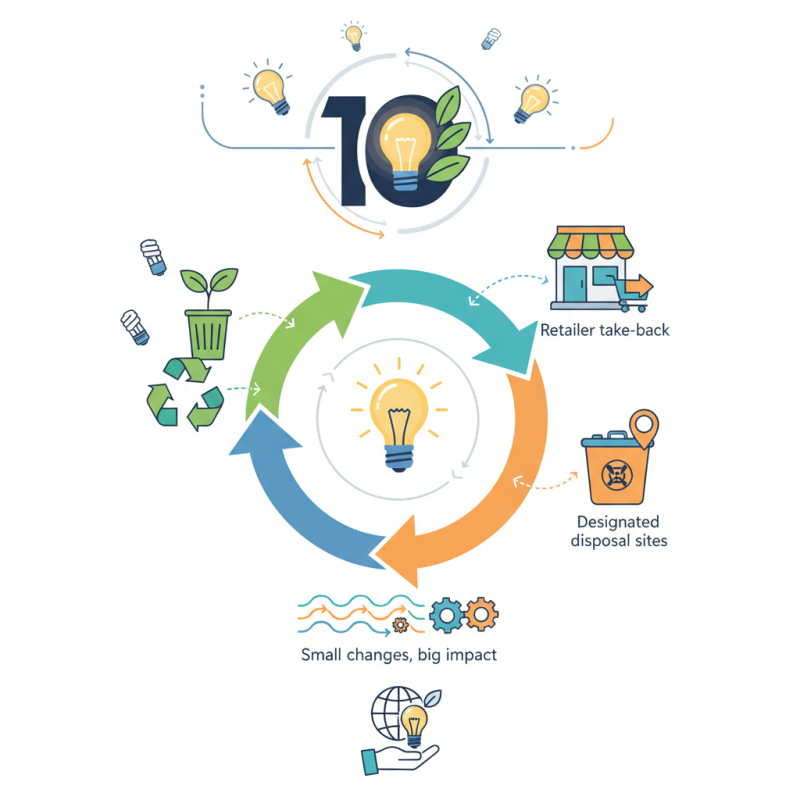
Making small changes in your routine can have a significant impact. Consider your options before discarding your old bulbs. Recycling, returning them to retailers, or using designated disposal sites are great ways to manage this issue. By learning how to dispose of old light bulbs properly, you take an important step toward sustainability and environmental responsibility.
Top 10 Ways to Dispose of Old Light Bulbs Properly?

Understanding the Environmental Impact of Improper Light Bulb Disposal

Improper disposal of old light bulbs can lead to serious environmental consequences. Many types of bulbs, especially compact fluorescent lamps (CFLs), contain small amounts of mercury. When these bulbs end up in landfills, the mercury can leach into soil and water sources, causing harm to wildlife and ecosystems. Additionally, broken bulbs can pose a risk to human health, especially for children and pets.

Recycling old light bulbs is a crucial step in minimizing their environmental impact. Many communities offer designated drop-off locations for bulb recycling. Some retailers even take back used bulbs for safe disposal. By participating in these programs, people can help ensure that harmful materials are handled responsibly. It's also an opportunity to educate others about the importance of proper disposal. Sharing this knowledge can inspire more people to take action in their own homes.

Despite the available options, many still throw bulbs in regular trash. This behavior highlights a need for greater awareness. Understanding the risks associated with improper disposal can shift attitudes. As we reflect on our actions, it’s clear that every small effort counts in protecting our environment. The way we handle our waste matters more than we often realize.

Identifying Types of Light Bulbs and Their Disposal Requirements

When it comes to identifying light bulb types, understanding disposal requirements is crucial. Incandescent bulbs are widely used. They contain no hazardous materials, making them easier to dispose of. However, these bulbs are not energy-efficient. While they can be discarded with regular waste, recycling is still encouraged. According to the U.S. Energy Information Administration, incandescent bulbs account for nearly 60% of the light bulb market, highlighting their prevalence.

CFLs, or compact fluorescent lamps, are more energy-efficient. However, they contain small amounts of mercury, which makes disposal more complex. The Environmental Protection Agency (EPA) recommends taking them to designated recycling centers. Over 2 billion CFLs are sold each year in the U.S., showing the need for proper handling of these bulbs.

LED bulbs are the newest option. They use less energy and have a longer lifespan. Fortunately, they do not contain mercury but still need recycling due to electronic components. As LED adoption increases, understanding the environmentally responsible disposal method becomes more critical. Nearly 90% of households in the U.S. use LED technology today. This statistic emphasizes the urgency of having established disposal practices for all types of bulbs.

Local Regulations and Guidelines for Disposing of Light Bulbs

Disposing of old light bulbs can be tricky due to local regulations. Many regions have specific guidelines for handling various types of bulbs. It's essential to check city or county guidelines first. Some places accept bulbs in the regular trash, while others require special disposal.

Fluorescent bulbs, for example, contain mercury. They must be taken to designated recycling centers. Check your local waste management website for drop-off locations. It's better to avoid the landfill for these hazardous materials.

Tip: Save bulbs in a dedicated box until disposal. This keeps them safe and prevents breakage. Additionally, you can explore programs that allow you to exchange old bulbs for new ones. Always stay informed about significant changes in regulations. Following local guidelines protects both you and the environment.

Safe Recycling Options for CFLs and LED Light Bulbs

When it comes to disposing of old light bulbs, especially CFLs and LEDs, safe recycling options are vital. Both types of bulbs contain materials that can be harmful if not handled properly. CFLs contain a small amount of mercury, which can pose risks to health and the environment. LED bulbs, while less hazardous, still contain electronic components that deserve careful disposal.

Recycling centers often accept these bulbs. It’s essential to locate a nearby facility that takes them. Many retailers also offer recycling programs. Bring your old bulbs to their designated drop-off spots. Cities often host hazardous waste recycling days; check local listings for events in your community.

It’s worth noting that not all recycling methods are perfect. Some centers may not dispose of bulbs in the most environmentally friendly ways. You should ask about their processes. The responsibility ultimately falls on each individual to ensure safe disposal. Careful research can lead you to options that prioritize both safety and sustainability.

Top 10 Ways to Dispose of Old Light Bulbs Properly

Method Description Safety Precautions
Recycling Centers Take bulbs to local recycling centers that accept them. Handle carefully to avoid breakage.
Retail Drop-off Many retailers offer drop-off recycling programs. Check for specific instructions beforehand.
Special Collection Events Participate in community collection events. Stay informed about event dates.
Hazardous Waste Facilities Dispose of bulbs at hazardous waste facilities. Use personal protective equipment if necessary.
Mail-in Programs Some organizations offer mail-in options for used bulbs. Ensure safe packaging to prevent breakage.
Home Hazardous Waste Collection Some municipalities provide home collection services. Follow all guidelines provided by the service.
Donation If functioning, donate to non-profits or community centers. Check if the items are accepted.
Local Artwork or Projects Consider using old bulbs in art projects. Ensure they are non-toxic if used for display.
Landfill (Last Resort) Use landfills only if no other options are available. Check local regulations to ensure compliance.

Innovative Programs and Initiatives for Light Bulb Round-Ups

Innovative programs for light bulb round-ups are shifting how we handle these common items. Many local governments have launched initiatives to encourage residents to recycle old light bulbs. These programs often include free collection events, making it easier for people to dispose of their bulbs responsibly.

Community involvement is a key aspect of these round-ups. Various organizations host educational workshops to inform the public about the importance of recycling light bulbs. By highlighting the environmental impact of improper disposal, they create a sense of duty among participants. Many workshops showcase how to properly categorize bulbs, emphasizing that not all shapes and sizes are the same.

While these initiatives are beneficial, challenges remain. Some residents may still throw away old bulbs in the trash, despite knowing better. This highlights the need for persistent education and outreach. The push for better disposal methods doesn't stop after a single event. Continuous reminders encourage long-term change. Finding innovative solutions takes time and effort. Engaging the community is crucial for lasting impact.

FAQS

: What types of light bulbs are commonly used?

: Incandescent, CFL, and LED bulbs are the most common types found in households.

How should incandescent bulbs be disposed of?

Incandescent bulbs can be discarded with regular waste. Recycling is encouraged but not mandatory.

Why are CFL bulbs more complicated to dispose of?

CFLs contain mercury, which requires special handling to avoid environmental harm.

Where should CFLs be taken for disposal?

Bring CFLs to designated recycling centers for safe disposal.

What makes LED bulbs environmentally friendly?

LED bulbs use less energy and have a longer lifespan. They do not contain mercury, but still require recycling.

How can I keep track of my old bulbs?

Store used bulbs in a dedicated box to prevent breakage before disposal.

Are there exchange programs for light bulbs?

Yes, some programs allow you to exchange old bulbs for new ones. Check local options.

Why is it important to follow local disposal regulations?

Local guidelines help protect the environment and ensure safe handling of hazardous materials.

What should I do if I’m unsure about disposal guidelines?

Always check your local waste management website for accurate disposal information.

Can light bulbs be thrown away in the regular trash everywhere?

No, some regions have specific rules; never assume they can go in the trash.

Conclusion

Understanding how to dispose of old light bulbs properly is essential for minimizing environmental impact. Improper disposal can lead to hazardous materials, especially with bulbs like CFLs that contain mercury. Different types of light bulbs come with specific disposal requirements; for example, incandescent bulbs can often be thrown away, while CFLs and LEDs should be recycled at designated facilities.

Local regulations vary on light bulb disposal, so it’s important to stay informed about your area’s guidelines. Many communities also offer safe recycling options, as well as innovative programs for light bulb round-ups that encourage proper disposal practices. By following these recommendations, individuals can ensure they are managing their light bulb waste responsibly while contributing to environmental conservation efforts.

Sophia

Sophia

Sophia is a dedicated marketing professional with an exceptional depth of knowledge about her company's products and services. With a keen understanding of market trends and customer needs, she crafts insightful blog posts that not only inform but also engage readers, enriching the company’s online......